

I've been watching Amazon's Clarkson's Farm, about the struggles of British farm life, with wealthy actor Jeremy Clarkson attempting to turn a profit on his roughly 1000 acre farm while fighting the bureaucratic quagmire that regulates farms in the UK. I've been a long time fan of small farms and homesteads in my area, but realistically the majority of viable farms seem to be LARGE farms with thousands of acres and alternating fields between commodity crops of soybeans and corn. We have a few blueberry farms in the area, we have the largest farm in Indiana the next county away of me (Fair Oaks Farm with 21,000+ acres).
I've long worried (been living here 30+ years) about the small farmers and I don't see many of them anymore. The nearest towns are former farm communities, now converted to 'bedroom communities' on the far fringes still outside of suburbia.
 www.theepochtimes.com
I've long worried (been living here 30+ years) about the small farmers and I don't see many of them anymore. The nearest towns are former farm communities, now converted to 'bedroom communities' on the far fringes still outside of suburbia.
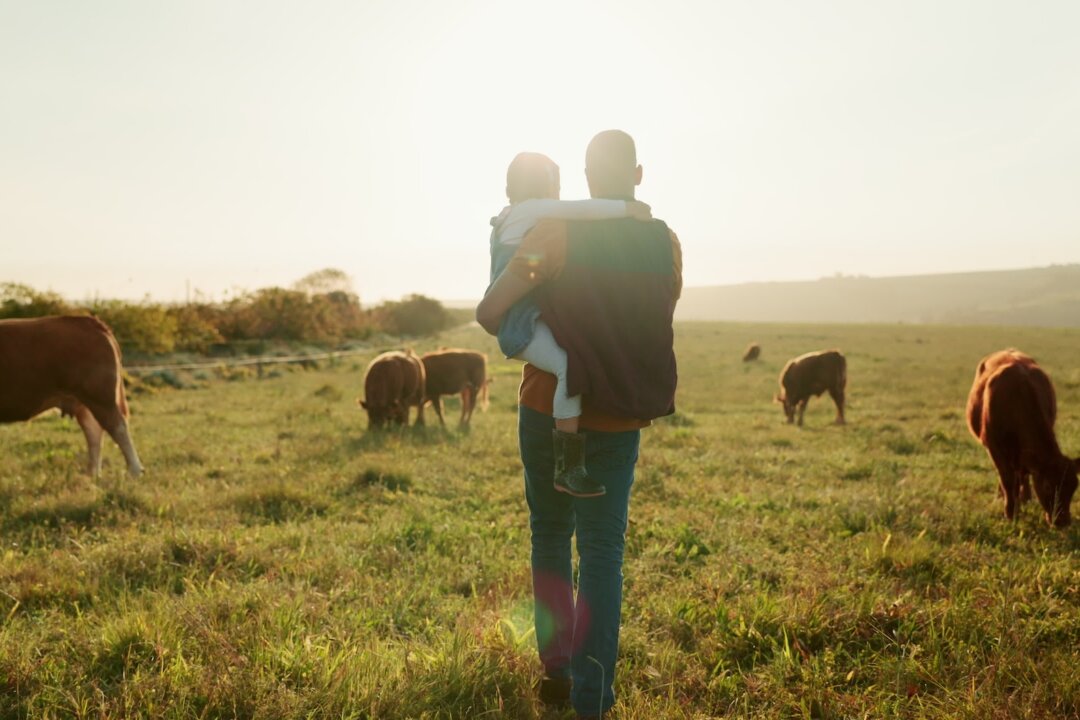
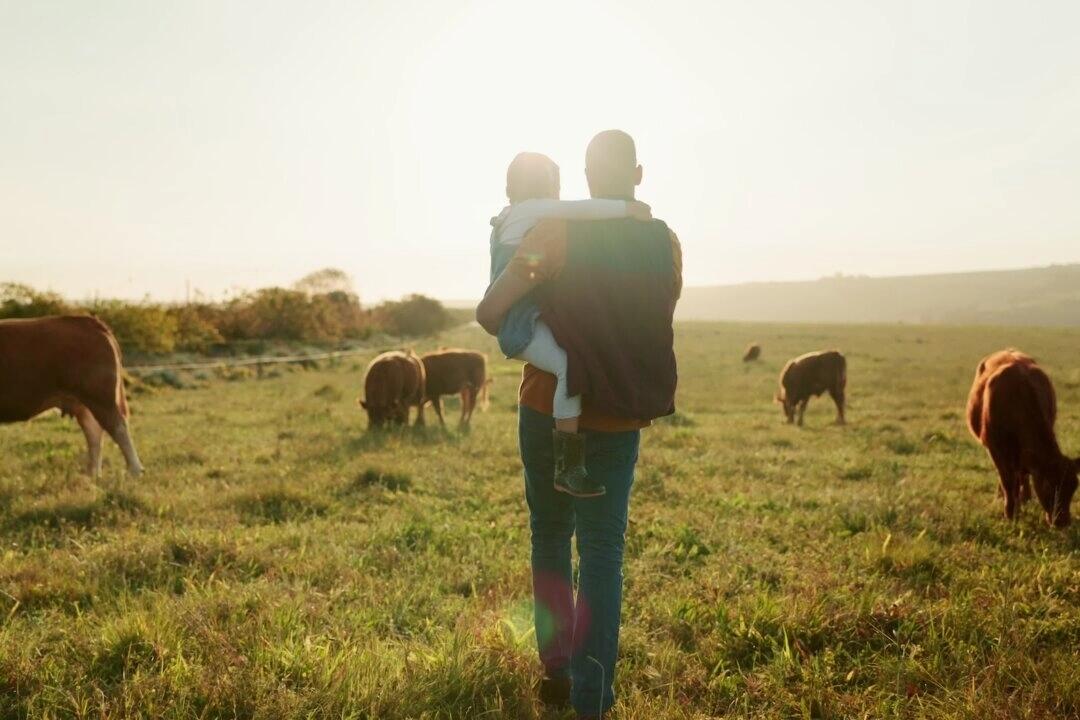
The Death of the Small Farm Is the Death of Rural America
The fight for our farms is the fight for our future.
www.theepochtimes.com
Modern farming is destroying small communities as we move more and more toward the “go big or go home” model—thousands of acres of the same monocrop, managed by one or two people on a tractor spraying chemicals. What used to be 20 or 30 small farms—each with a household and family that supported the local restaurant, gas station, feed store, and the veterinarian who served a few counties—is now replaced by a single sprawling operation with no animals, no neighbors, and no community.

Over the past decade, roughly 140,000 U.S. farms have vanished, and it’s not just those farms that have collapsed—but the entire ecosystem they supported: diners, auction barns, schools, vets, and feed stores have all felt the blow. The economic destruction radiates outward—every boarded-up business is a ripple from a missing farm.
Despite this, small farms are often treated as quaint, inefficient, and economically irrelevant in the modern food system. But the numbers tell a different story. Globally, farms under 2 hectares (about 5 acres) produce around 30 to 34 percent of the world’s food, while using only about 24 percent of agricultural land. That’s not inefficiency—that’s productivity. If you expand that to farms under 5 hectares, they produce more than half of the world’s food. These farms grow a diverse range of crops and raise animals in ways that serve local and regional markets—feeding people directly, not just supplying commodity markets or overseas exports.
Small farms matter because they produce food where it’s eaten, keeping supply chains short and resilient. They’re often the ones growing the vegetables at your farmers market, the eggs from down the road, the beef from a rancher you know by name. They support biodiversity, employ more people per acre, and keep profits circulating locally. Dismissing them as outdated isn’t just wrong—it’s dangerous to our food security.
While most of the farms we’ve lost were small family operations, the fight to save rural America isn’t just about acreage—it’s about approach. It’s not the size of the farm that determines its value to a community, but the farming practices it uses and the relationships it sustains. A larger farm can still operate in a way that regenerates the soil, employs local people, and feeds its neighbors—if it’s run with vision and courage.
That’s exactly what Will Harris has done at White Oak Pastures, his 1,250-acre family farm in Bluffton, Georgia (held by his family since 1866). In the mid-1990s, Harris made a radical break from industrial agriculture. He replaced chemical inputs and confinement feeding with rotational grazing, diversified livestock, and on-site, USDA-inspected processing facilities. White Oaks Pastures is now one of the only farms in the country with separate abattoirs for red meat and poultry.
To make this transformation, Harris took an extraordinary risk—borrowing $7.5 million against the family land to build these processing plants in 2008. It was a gamble most would never dare, but it paid off. His farm now operates as a zero-waste, closed-loop agricultural ecosystem, where nothing goes to waste, and grass-fed meats, eggs, organic vegetables, and byproducts like hides are turned into artisanal goods and compost. His regenerative practices have rebuilt topsoil, captured carbon, and sparked a local economic revival.
Today, White Oak Pastures employs up to 180 people, making it Clay County’s largest private employer. What was once a dying ghost town now has a general store, a restaurant, lodging, and an event center—because one man chose to bet everything on a different way forward. His example proves it’s not the scale that matters—it’s the soil health, the humane treatment of animals, the jobs created, and the way the farm integrates into the life of the town.
The wake-up call is already ringing: boarded-up Main Streets, closed auction barns, veterinarians relocated to cities, feed stores shuttered, schools shrinking. And make no mistake—this is not just an economic issue. It’s a matter of national security. If we lose the ability to feed ourselves, we lose the ability to protect ourselves. Food has been a weapon in almost every war in history. Without control over our food supply, we surrender control over our future.
When we allow small and mid-size farms to fail, we don’t just lose their food production—we lose the skills, the infrastructure, and the intergenerational knowledge that comes with them. We also lose the community glue they provide. Farmers don’t just grow food—they buy feed, fix equipment locally, hire the local vet, and send their kids to the local school. Multiply that by dozens of farms in a county, and you see why their disappearance hollows out whole regions.
That’s why I am thrilled that Will Harris will be joining us at Sovereignty Ranch at the end of September for our Food is Medicine retreat—a gathering dedicated to restoring health, community, and resilience through the way we grow, cook, and share food. We’ll be talking about soil, nutrition, farm economics, and the urgent need to rebuild regional food systems—because the fight for our farms is the fight for our future.
If you care about your country, your health, and your freedom, start now: support small farmers. Buy from them directly.Demand that your grocery stores and restaurants source from them. And most importantly—eat the small farm diet. This means real food from real farms, grown in a way that nourishes the soil and the people. Every purchase is a vote for the kind of America we want to live in. The survival of rural America—and perhaps the survival of America itself—depends on it.
