

The National Petroleum Reserve is an area of 23 Million Acres of land in Alaska and was designated because there is the potential for vast amounts of oil to be found in the region.
Under the last administration restrictions were put into place to prevent any exploration or drilling of the area that the government set aside specifically for drilling and exploration. I'm not make this up. We have land, designated to be used for oil extraction. The US gubmint designated that land for that purpose. Then the US gubmint, while keeping the designation, decided the land cannot be used.
So now, the US gubmint is reversing the policy reversal and will once again allow exploration and extraction of oil on the land it originally designated for the purposes of exploration and extraction.
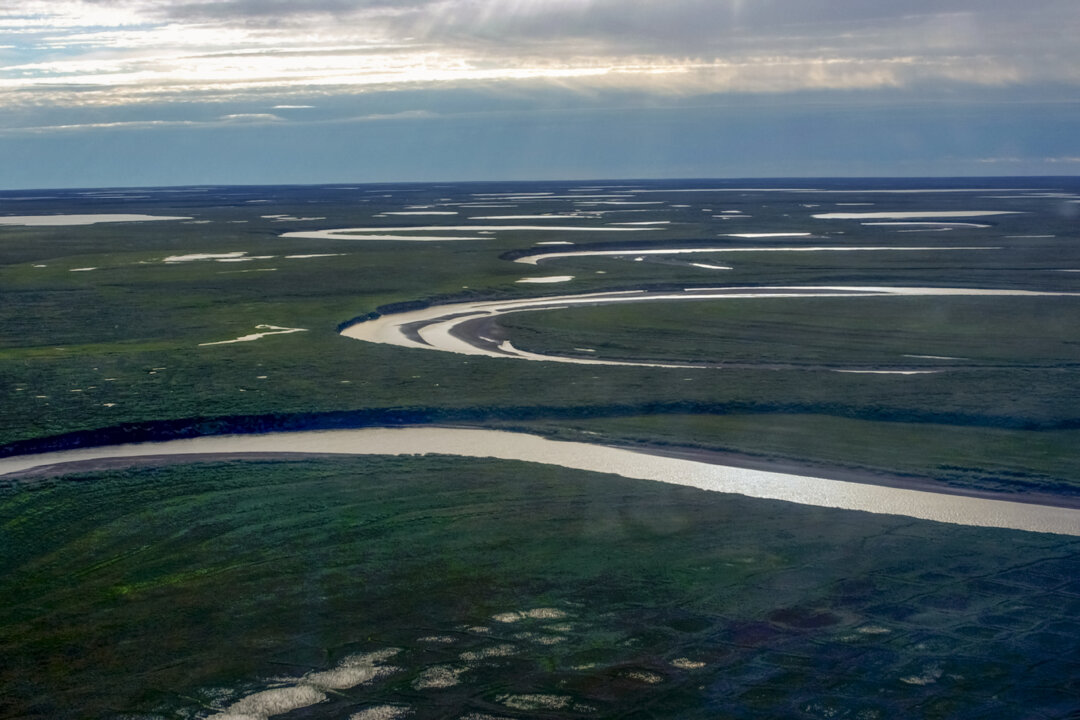
 www.theepochtimes.com
Under the last administration restrictions were put into place to prevent any exploration or drilling of the area that the government set aside specifically for drilling and exploration. I'm not make this up. We have land, designated to be used for oil extraction. The US gubmint designated that land for that purpose. Then the US gubmint, while keeping the designation, decided the land cannot be used.
So now, the US gubmint is reversing the policy reversal and will once again allow exploration and extraction of oil on the land it originally designated for the purposes of exploration and extraction.
Trump Admin Rolls Back Biden-Era Restrictions on Alaska Oil and Gas Drilling
The Interior Department aims to bolster the nation’s energy supply and reduce U.S. reliance on foreign sources.
www.theepochtimes.com
The Interior Department aims to bolster the nation’s energy supply and reduce U.S. reliance on foreign sources.
11/13/2025
The Trump administration said Nov. 13 that it has finalized a rule rescinding Biden-era restrictions on oil and gas drilling in Alaska as part of efforts to strengthen U.S. energy security.
The new rule, to be published in the Federal Register on Nov. 17, will revoke the measures imposed by the Biden administration that restricted drilling in the National Petroleum Reserve on the North Slope, according to the Interior Department (DOI).
The petroleum reserve in Alaska, spanning roughly 23 million acres, was designated in 1923. Last year, the Biden administration restricted oil and gas drilling on over 13 million acres of the area for environmental reasons.
The DOI stated that it aims to restore drilling in the area to strengthen energy supply and reduce U.S. reliance on foreign sources, following President Donald Trump’s Jan. 20 executive order that called for the expansion of natural resource development across federal and state lands in Alaska.
“By rescinding the 2024 rule, we are following the direction set by President Trump to unlock Alaska’s energy potential, create jobs for North Slope communities and strengthen American energy security,” Secretary of the Interior Doug Burgum said in a Nov. 13 statement. “This action restores common-sense management and ensures responsible development benefits both Alaska and the nation.”
Voice of the Arctic Inupiat, a nonprofit representing North Slope communities in Alaska, said it supports the move, noting that it would help sustain power generation, education, and other services that rely on tax revenue from resource development infrastructure.
North Slope Borough Mayor Josiah Patkotak also voiced support, calling the move a “meaningful step toward restoring a federal process” that respects local leadership in Alaska.
“Good policy comes from good process, which requires hearing directly from the people who live, work, and hunt here,” Patkotak said in a statement issued by the nonprofit.
The Natural Resources Defense Council (NRDC) opposed the move, claiming the DOI’s new rule disregards its obligation to protect the reserve.
“This rollback is nothing more than a giveaway to the oil and gas industry,” Bobby McEnaney, NRDC director of land conservation, said in a statement. “Weakening protections is reckless, and it threatens to erase the very landscapes Congress sought to safeguard.”
This is not the first such Biden-era restriction that Trump has rolled back. Last month, the DOI announced that it would reopen the coastal plain of Alaska’s Arctic National Wildlife Refuge to oil and gas leasing and reissued permits for the 211-mile Ambler Road Project, which would allow access to cooper and cobalt deposits in the area.


